Thinking about building steady income with a Joplin rental or a small storefront? You are not alone. With a practical price point and a regional job base, Joplin draws investors who want simple, workable properties. In this guide, you will see where the numbers stand today, what property types to consider, and the must‑know local rules that shape returns. Let’s dive in.
Why Joplin for small investments
Joplin is a regional hub for healthcare, manufacturing, education, and retail, which helps support rental demand and storefront traffic. The city counts roughly 54,000 residents and serves nearby towns throughout Jasper and Newton counties. Recent years brought measured redevelopment and stronger building standards shaped by the city’s recovery work after the 2011 tornado, which matters when you underwrite insurance and upgrades. You will find entry price points that let you start small and scale with experience.
Current market signals
- Average asking rent sits near $1,200 per month, based on the local rental summary and visible listing counts. You can review current asking rents and inventory on the Joplin market trends page from Zillow Rental Manager. See the latest rent overview.
- The Zillow Home Value Index points to a Joplin‑area median around $223,315. Use this as a directional price marker when you screen buy‑and‑hold deals. Check Zillow’s home values.
- Public commercial listings in Joplin often show higher cap‑rate asks than single‑family rentals, especially for retail and small office. Recent retail and office examples on LoopNet have shown caps roughly in the mid‑5s to high‑8s, depending on tenant and risk. Browse current retail listings.
- Joplin’s long‑term tornado recovery informs today’s codes, resilience priorities, and some redevelopment incentives. Plan for wind, roof, and life‑safety considerations as part of your underwriting. Learn about Joplin’s Recover & Rebuild efforts.
What to buy: rentals and small commercial
Single‑family rentals
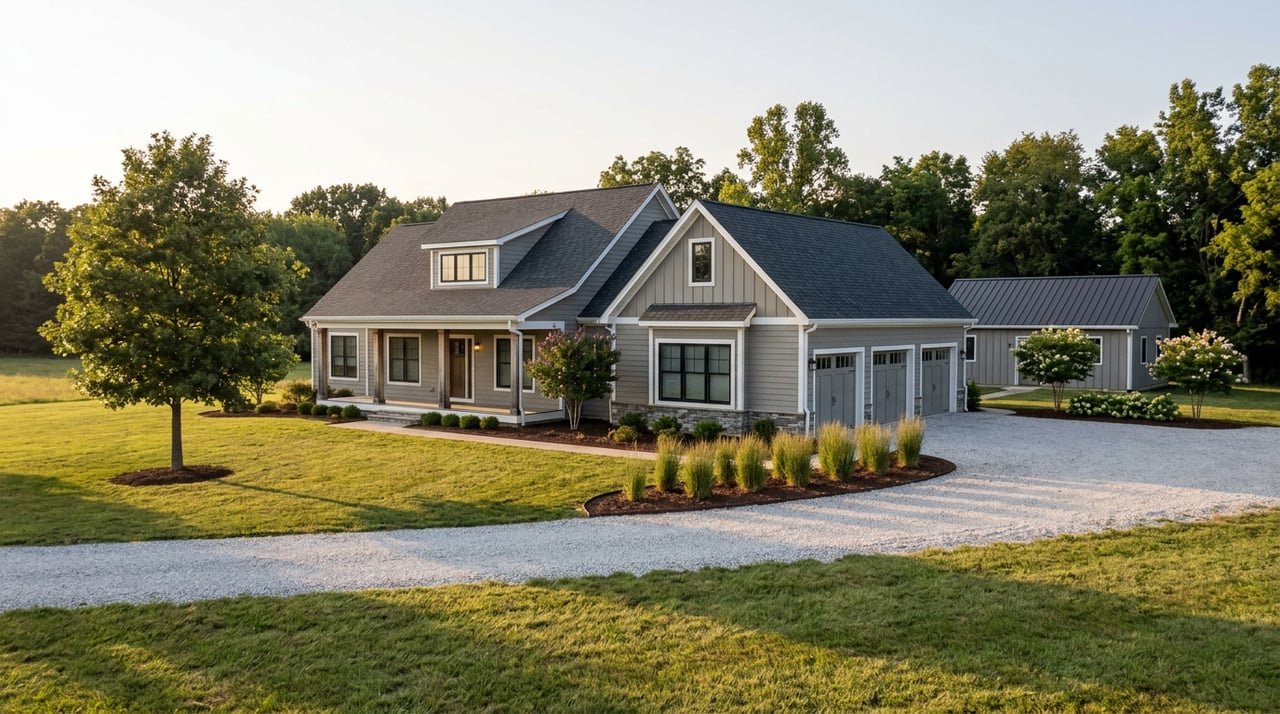
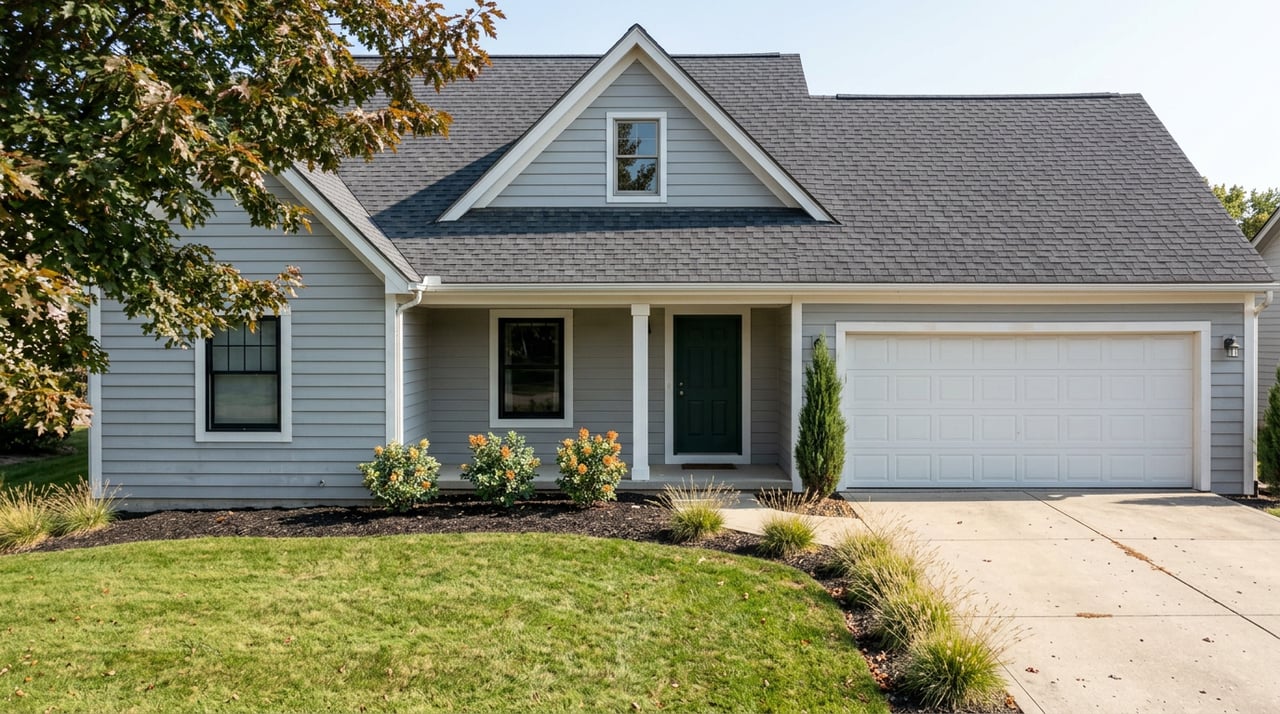
If you are starting out, single‑family rentals are common and easier to finance. They attract a broad tenant base that includes service and healthcare workers and small households. You will manage one roof per tenant, which can simplify turns but increases per‑unit overhead as you add doors.
Small multifamily (2–12 units)
Duplexes, triplexes, and compact apartment buildings can improve per‑door efficiency. Supply is tighter than single‑family, but you may see conversions of larger homes or upper floors where zoning allows. Confirm use, parking, and code requirements before you buy.
Storefronts on Rangeline and nodes
Rangeline Road is Joplin’s high‑visibility retail spine with shopping centers and pads that suit small retail and restaurants. Investors often look here for owner‑user opportunities or triple‑net deals. Other nodes near I‑44 and 32nd Street also offer traffic and access.
Office and mixed‑use conversions
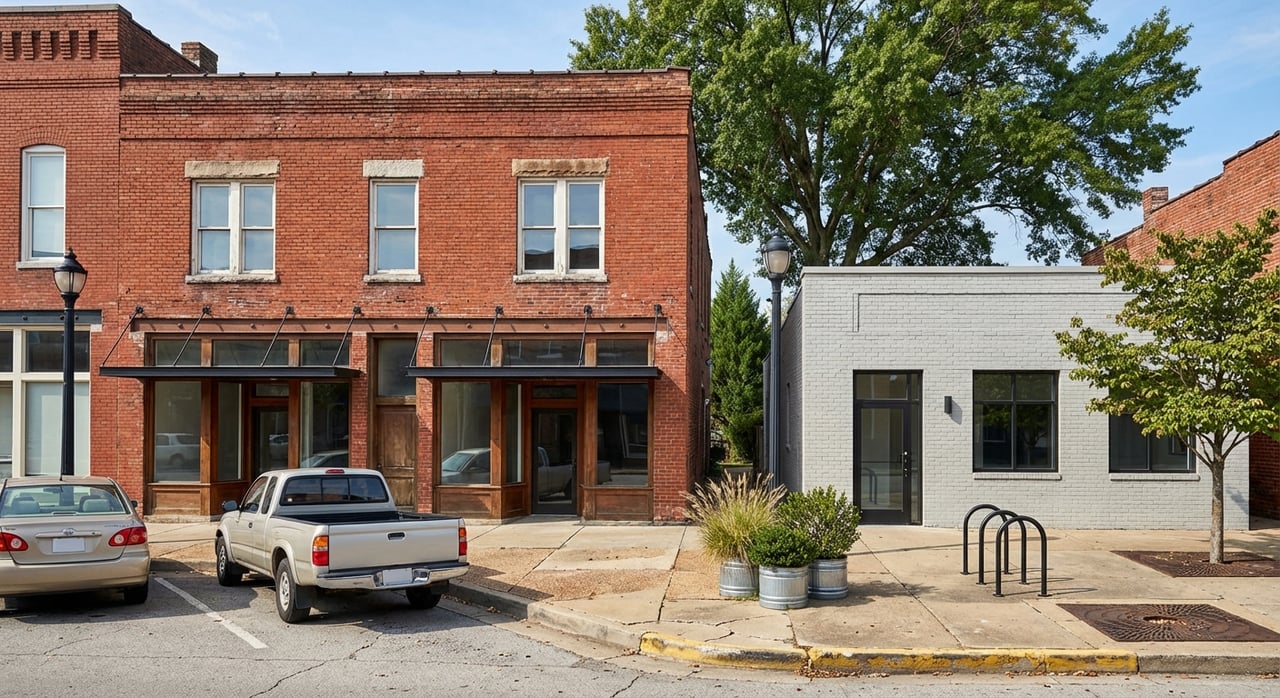
Older downtown buildings and upper floors above retail can work for professional suites or residential conversions. Expect plan review, code compliance, and site or parking checks. Early conversations with the city will save you time.
Flex, light industrial, and storage
Smaller flex and light industrial buildings can fit service contractors, storage, or light production. Returns and risks differ from retail and office, so compare lease structures and vacancy norms carefully.
Quick math: screen deals in minutes
Before you order an appraisal, a quick back‑of‑envelope check helps you focus on contenders.
- Gross Rent Multiplier (GRM) = price divided by annual gross rent.
- Net Operating Income (NOI) = gross rent minus operating expenses.
- Cap rate ≈ NOI divided by price.
- Cash‑on‑cash = annual pre‑tax cash flow divided by cash invested.
Common investor filters like the 1 percent rule and 50 percent rule help you triage leads. The 1 percent rule says monthly rent near 1 percent of the purchase price is a fast screen. The 50 percent rule estimates half of gross rent will go to expenses before debt service. Use these only as filters, then build a full pro forma. See a simple expense breakdown guide.
Example: Joplin single‑family
- Price marker: about $223,315 for the local median.
- Asking rent marker: about $1,200 per month.
- Annual gross rent: $1,200 × 12 = $14,400.
- GRM: 223,315 ÷ 14,400 ≈ 15.5.
- Gross yield: 14,400 ÷ 223,315 ≈ 6.45 percent.
If you apply a 50 percent expense estimate, NOI is about $7,200 and the implied cap is near 3.2 percent. If expenses run closer to 35 percent, NOI is about $9,360 and the implied cap is near 4.2 percent. These are directional only. Actual returns depend on your purchase basis, operating plan, and financing.
How this compares to small commercial
Public listings for Joplin retail and small office have shown cap‑rate asks roughly in the 5.9 to 8.7 percent range. Higher advertised caps often reflect different lease risks, shorter terms, or required build‑outs. Always underwrite tenant strength, rollover, and maintenance obligations before you compare caps. You can scan current offerings to see how Joplin assets are being marketed. View retail and small‑office listings.
Where to look in and around Joplin
Rangeline corridor
This is the primary retail spine, favored for visibility and traffic. You will find strip centers, pad sites, and small shop spaces that suit owner‑users and investors.
Downtown and Main Street
Look for smaller storefronts and upper‑floor space that can fit professional services or residential conversions. Streetscaping and steady activity support neighborhood‑scaled businesses.
I‑44 and 32nd Street nodes
Sites near highway interchanges and newer retail hubs can work for both small commercial and multifamily, with convenient access and newer surrounding development.
Nearby towns to compare
Investors often compare Joplin with Webb City, Carthage, Carl Junction, and Neosho. Entry prices, tax districts, and achievable rents can vary by town, so line up true comps before you offer.
Codes, permits, and local rules
Building and development basics
Joplin enforces current International Building, Plumbing, and Mechanical Codes with local amendments. For any conversion or change of use, start with the city’s Building Division for permits, inspections, and plan review. Visit the Building Division portal.
The Joplin Development Code governs allowed uses, parking, accessibility, and site‑plan criteria. If you plan an office or residential conversion, confirm parking counts, accessibility, and any special procedures before you go under contract. Read the Development Code.
Landlord‑tenant and notices
Missouri’s landlord‑tenant rules, including notice periods for month‑to‑month tenancies, are set in state statute. Work with a Missouri attorney on leases and local court practice. You can review the statute language for context in RSMo Chapter 441. See RSMo 441.060.
Taxes, insurance, and natural hazards
Parcel tax bills vary by district. Jasper County’s effective property‑tax burden is often summarized in the mid 0.6 to 0.8 percent range, but verify the exact levy for each parcel and year. Check a county‑level summary.
Insurance matters in underwriting. Joplin’s experience with the 2011 EF‑5 tornado informs building standards and resilience planning, and some sites may warrant flood checks. Get local quotes for wind and hazard coverage and verify floodplain status before you close. Review the city’s recovery context.
Step‑by‑step due diligence checklist
- Pull rent comps and vacancy snapshots using Zillow and Zumper, then compare to your pro forma. Use LoopNet to price small commercial comps and cap‑rate asks.
- Call the City of Joplin’s Building Division to confirm permits, plan review triggers, and inspections for your scope.
- Verify zoning, parking counts, and any change‑of‑use requirements in the Development Code for your exact address.
- Request parcel‑level tax details and confirm any reassessments or special districts that could affect the bill.
- Get insurance quotes that reflect wind, roof, and hazard exposures. Confirm whether flood insurance is required or advisable.
- Inspect for deferred maintenance and safety items. Budget for roofs, HVAC, plumbing, electrical, and life‑safety upgrades.
- Document historical vacancy, rent rolls, utility responsibility, and any service contracts.
- Speak with a local attorney for lease language and notice rules, a CPA for tax planning, and a lender for realistic financing terms.
Financing expectations
Small residential and small commercial loans are underwritten differently. Expect higher rates or shorter amortization on commercial, plus reserves for build‑outs or conversions. Lenders will look for in‑place income, borrower experience, and a clear plan for any rehab or lease‑up. Gather leases, contractor bids, and your stabilized operating statement before you apply.
Work with a local guide
Local returns hinge on buying the right property at the right basis, then operating with clear systems. If you want a grounded view of rents, cap rates, and code steps for a specific address in Joplin, our team is here to help you compare options and plan next steps. Ready to walk a few properties and build a clean underwriting file? Schedule a Free Consultation with Ginger Kitchen.
FAQs
What are typical asking rents in Joplin right now?
- Recent summaries show average asking rents near $1,200 per month, but always verify with fresh comps and remember that asking rents can differ from in‑place leases.
Are small commercial cap rates higher than single‑family rentals in Joplin?
- Public listings often show higher cap‑rate asks for retail and small office compared with typical single‑family holds, but tenant risk, lease terms, and build‑out needs vary by property.
Where do small retailers often seek visibility in Joplin?
- Rangeline Road is the primary retail corridor, with additional nodes near I‑44 and along 32nd Street that serve daily traffic and neighborhood needs.
What permits do I need to convert an upper floor to apartments or offices?
- You will submit plans through the Building Division and confirm use, parking, and accessibility under the Development Code before work begins.
How should I estimate property taxes and insurance for underwriting?
- Pull parcel‑specific tax details from county tools, use county summaries only as a starting point, and get firm local insurance quotes that reflect wind and hazard exposure before you offer.