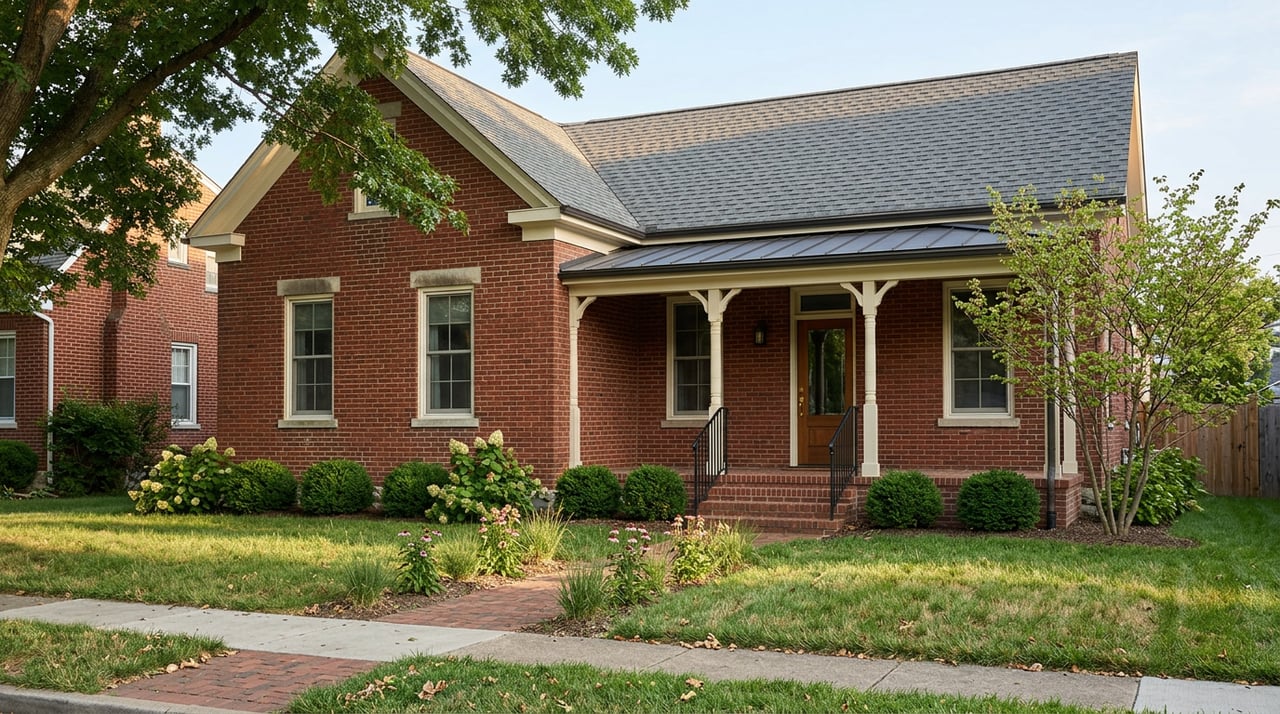
Do you light up when you see a wraparound porch, carved wood trim, or a turret peeking over the trees? If you love character homes but also want an easy, everyday routine, Carthage can be a smart fit. You get rich architectural history, a walkable courthouse square, and short drives to daily services. In this guide, you will learn where the historic homes are, what life looks like day to day, what to expect with older houses, and how Missouri’s incentives can help your budget. Let’s dive in.
Carthage at a glance
Carthage is a small county-seat city with a population around 15,000 to 15,600. The owner-occupied rate sits near 53 percent, the median owner-occupied value is about $146,800, and the mean one-way commute is 15.5 minutes, according to U.S. Census QuickFacts. You can review these city basics directly in the Census profile for Carthage. See the Carthage QuickFacts page.
Regionally, Carthage sits just east of Joplin. The drive to Joplin is roughly 16 miles, often 20 to 25 minutes depending on route and time of day. For a longer-day trip, Springfield is about 57 miles, usually around an hour by car. You can check a simple distance reference for the Carthage to Joplin trip here.
Where the history lives
Carthage’s historic character shows up in multiple National Register districts around the courthouse square, including residential streets with intact late-19th and early-20th-century homes. Local preservation advocates keep the momentum going. Carthage Historic Preservation, Inc. stewards the Phelps House, shares repair guidance, and maintains a list of preservation-minded contractors.
Courthouse square and Carthage stone
At the heart of downtown, the Jasper County Courthouse is a landmark built in 1894 to 1895 using native “Carthage stone.” It anchors the square and gives the city a distinctive architectural center. You can read more about the courthouse and local stone in the county’s history overview from Jasper County. Learn about the courthouse and Carthage stone.
Architecture styles you will see
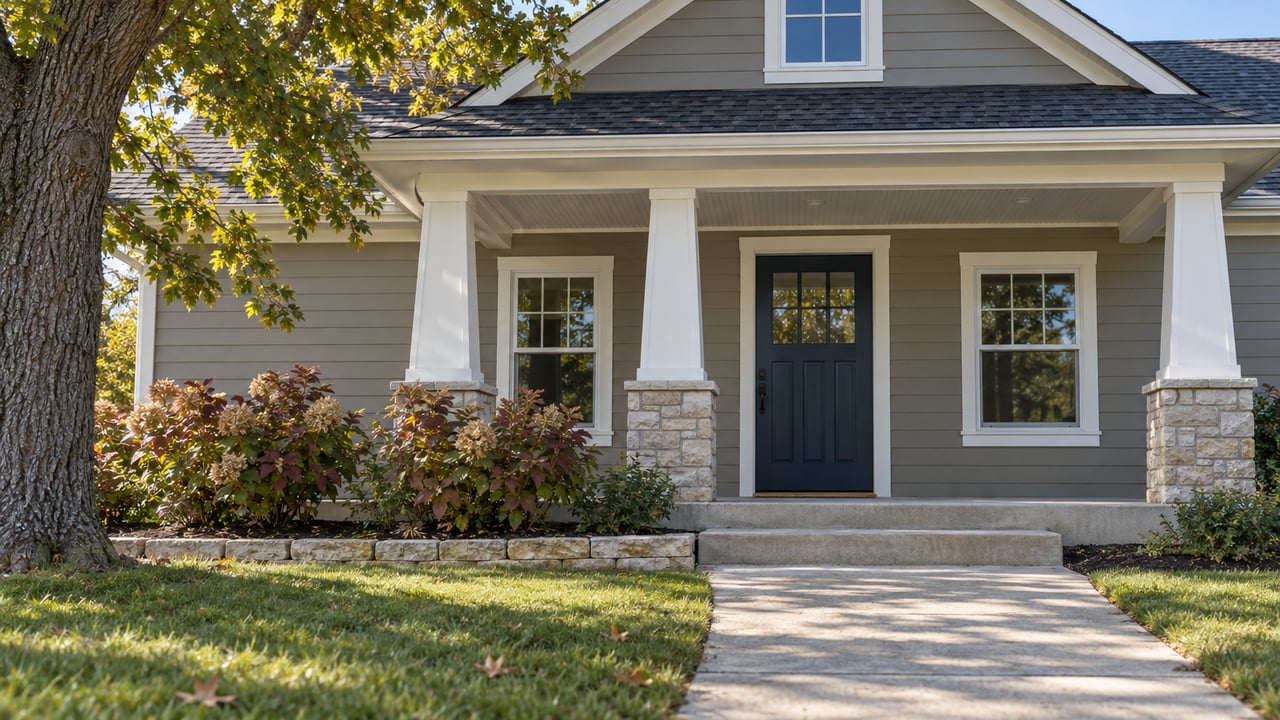
In and around the square, you will spot Italianate brackets and tall windows, Queen Anne and Eastlake details like turned posts and spindles, occasional towers, and Classical Revival and Romanesque influences. Expect generous porches, decorative millwork, and masonry details that reward a slow walk or drive. If you want a preview, the city’s tourism office shares a Historic Homes Driving Tour and walking routes. Explore the historic homes tour.
Everyday life and conveniences
Downtown food, shops, and events
The courthouse square is Carthage’s cultural and retail core. You will find small boutiques, local eateries, and a steady calendar of community events like the Maple Leaf Festival, farmers market days, and Food Truck Friday. Tourism materials highlight these seasonal happenings and provide simple maps for exploring. Browse the tour and event resources.
Shopping and services
For daily errands, Carthage has a full-service Walmart Supercenter on Grand Ave, along with independent shops and restaurants downtown. Larger retail and some medical services are concentrated in nearby Joplin. You can confirm store hours and services at the local Walmart listing. Check the Carthage Walmart Supercenter.
Healthcare access
Local clinics and hospital services are available in town, and regional hospitals in Joplin broaden care options. If frequent specialty visits are important, factor your cross-town or Joplin drive into neighborhood choices. Mercy Hospital Carthage is one example you can locate in public directories. See a hospital listing reference.
Commutes and transportation
Carthage residents enjoy short average commutes, around 15.5 minutes based on the Census figure. Fixed-route public transit is limited in small towns, so most residents plan on driving for daily errands and work. For those who do not drive, local taxi, OATS, and demand-response options fill in some gaps.
What to expect with an older home
Buying a historic home is rewarding, but it pays to know what systems and features deserve a closer look.
- Masonry and foundations. Older brick or native stone can need mortar repointing, moisture control, and occasional crack or settlement fixes.
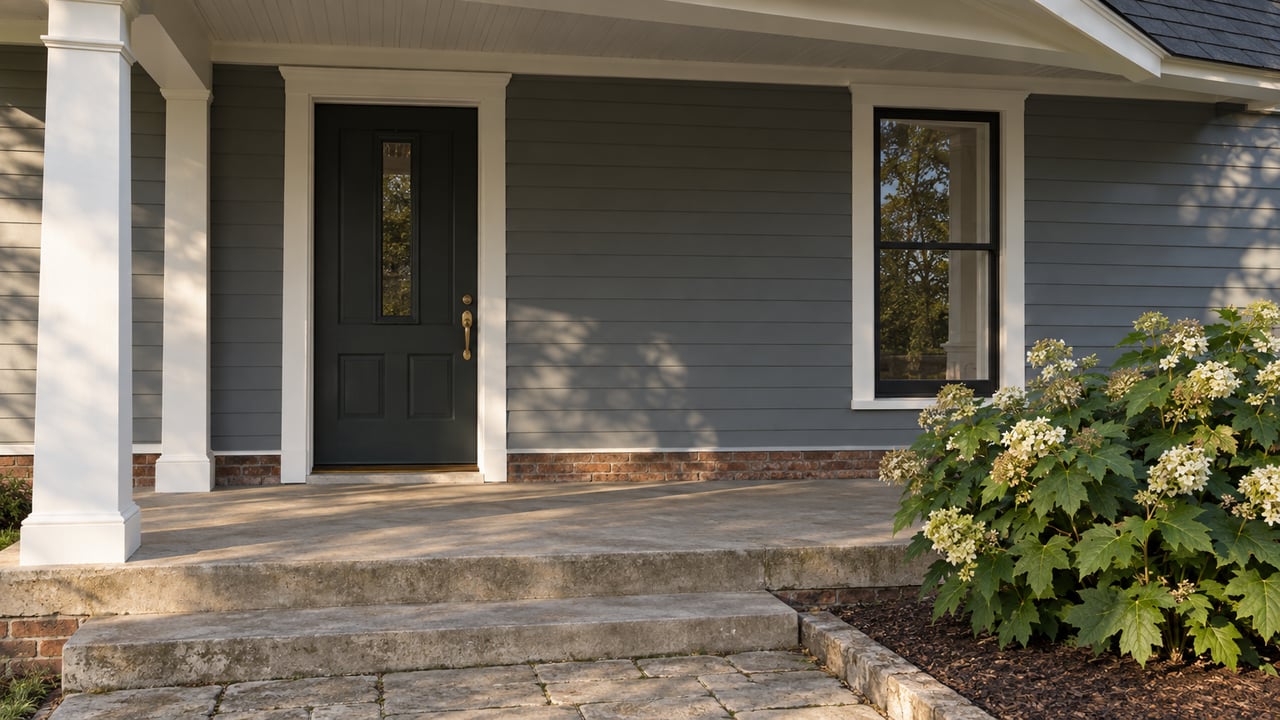
- Porches and exterior woodwork. Rot repair, proper flashing, paint, and structural connections are common maintenance items for long-lived porches and trim.
- Mechanical systems. Outdated electrical may require panel upgrades or full rewiring, and older heating, cooling, and plumbing systems often need replacement.
- Windows and insulation. Original single-pane windows are common. Many owners balance energy improvements with preserving historic sash and glass.
For best results, pair a thorough, licensed home inspection with pros who have historic rehab experience. Carthage Historic Preservation maintains helpful contacts and repair guidance. Tap CHP’s preservation resources.
Inspection priorities
Ask your inspector about structural movement, roof and gutter performance, and the age and condition of electrical, HVAC, and plumbing. On the exterior, look closely at porch footings, columns, rails, and any decorative millwork that may be original. Build in time for a second look with a preservation-minded contractor if something important shows up.
Budgeting tips
Set aside a flexible budget. Light cosmetic updates, like paint and floors, might run about 5,000 to 20,000 dollars on well-maintained homes. Full systems work or structural repairs can be several times that, especially on neglected properties. Before you make an offer, seek a detailed scope of work and at least two bids. If you plan to pursue tax credits, start that conversation early because approvals and documentation can affect which costs qualify. You can review program details and steps on the state’s site. Read about Missouri’s program.
Incentives that can help your budget
Missouri operates a robust Historic Preservation Tax Credit program that can materially affect rehab economics.
- State credit. The state program typically provides a credit equal to 25 percent of qualifying rehabilitation expenditures. Rules, thresholds, and any bonus percentages can change, so always confirm current details through the Missouri Department of Economic Development. See the state HPTC program page.
- Federal credit. A 20 percent federal Historic Rehabilitation Tax Credit is often available for income-producing properties. Owner-occupied residential eligibility differs and requires careful coordination with the State Historic Preservation Office and the National Park Service.
- Standards and process. Projects seeking credits must follow the Secretary of the Interior’s Standards and move through the state application and certification process. Early planning is essential, especially if you hope to layer credits.
For hands-on support, Carthage Historic Preservation can point you toward architects, contractors, and craftspeople who understand both preservation standards and practical repair methods. Connect with CHP.
Finding your fit: old charm or turnkey
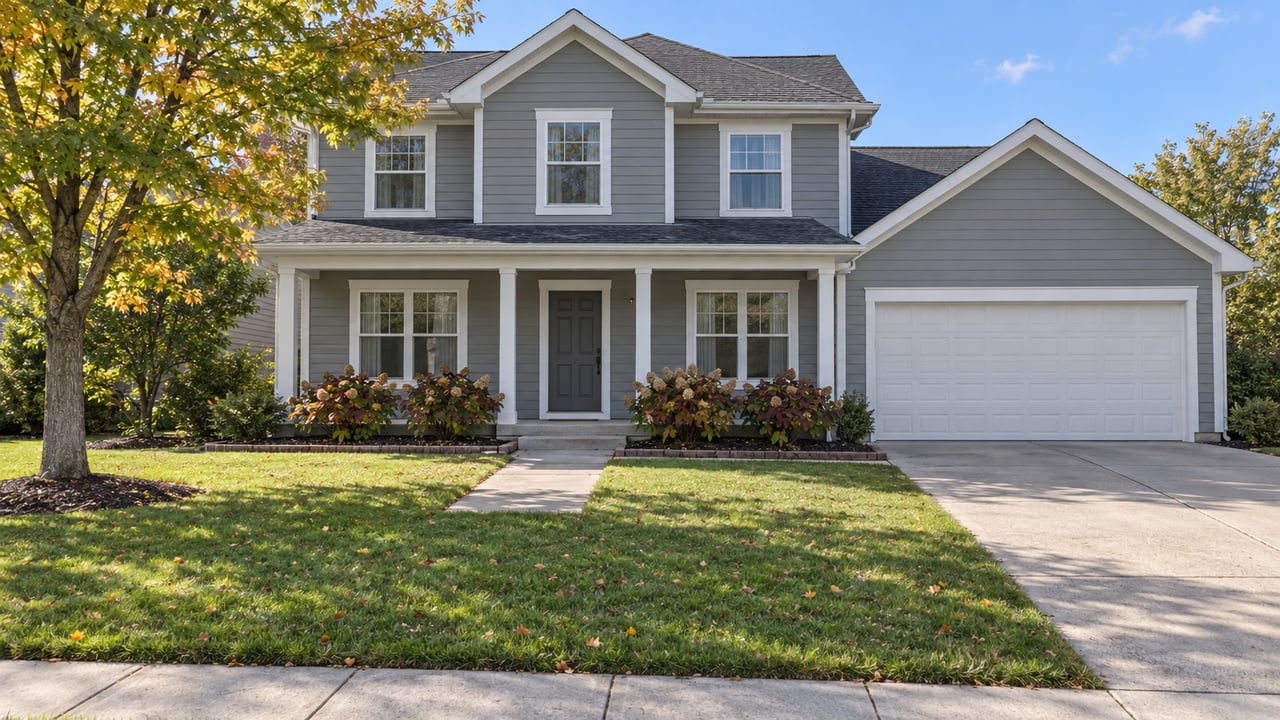
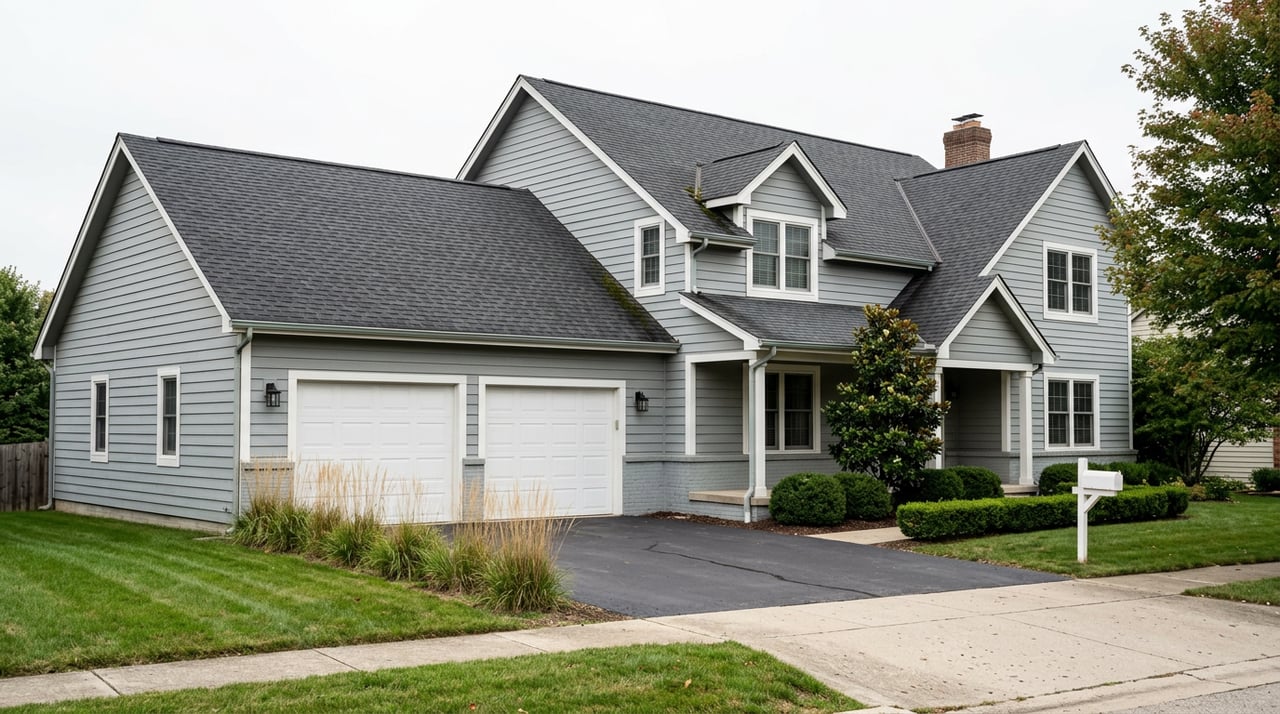
Around the courthouse square, you will find late-19th and early-20th-century homes with signature details and big front porches. In parallel, Carthage also has post-war and newer subdivisions that offer ranch or contemporary floor plans, often with fewer immediate renovation needs. Many buyers choose a historic home near downtown for character and proximity to events, while others prefer newer homes for low-maintenance living. Either path can work well in Carthage, especially with short local commutes and easy access to Joplin.
Carthage R-9 School District serves local K–12 students. Nearby higher-education options include Missouri Southern State University in Joplin and Crowder College’s multi-campus system. You can learn more about local K–12 programs at the district’s site. Visit Carthage R-9 School District.
A simple plan to get started
- Walk or drive the historic districts. Use the Historic Homes Driving Tour to get a feel for blocks, porches, and streetscapes you love.
- Clarify your must-haves. Decide where you land on character features versus renovation bandwidth, commute time, garage needs, and yard size.
- Line up your team. Interview a lender, a licensed home inspector, and, for older homes, at least one preservation-savvy contractor.
- Price the plan, not the dream. Ask for an itemized scope and two bids on the projects you would want to complete in year one.
- Explore incentives early. If you might use state credits, review the HPTC requirements and document existing conditions before work begins.
Work with a local guide
If a wraparound porch and a short drive to everyday errands sound like your sweet spot, Carthage is worth a closer look. You do not have to navigate historic architecture, inspections, and incentives alone. Our local team understands these homes and the daily rhythms that make them comfortable.
Ready to explore historic homes or compare options across Carthage and nearby towns? Reach out to Ginger Kitchen at Show-Me Real Estate for neighborly guidance and a clear plan. Schedule a Free Consultation.
FAQs
What makes Carthage a good place for historic home buyers?
- You get intact historic districts near the courthouse square, a walkable cultural core with events, and short local commutes that make daily life convenient.
How close is Carthage to jobs and services in Joplin?
- Joplin is roughly 16 miles away, often a 20 to 25 minute drive, so you can live in a character home while keeping regional employment and shopping within easy reach.
What renovation issues should I expect with Carthage’s older homes?
- Common items include masonry and mortar repairs, porch and exterior woodwork maintenance, electrical and HVAC updates, and decisions about preserving original windows while improving energy performance.
Are there incentives to help with restoring a historic house in Missouri?
- Yes, the state Historic Preservation Tax Credit typically offers a 25 percent credit on qualifying rehab costs, and a 20 percent federal credit may apply to income-producing properties when standards and application steps are followed.
Is public transit available in Carthage?
- Fixed-route public transit is limited, so most residents drive for daily errands and work, with taxi, OATS, and demand-response services as alternatives.
Which schools serve Carthage residents?
- Carthage R-9 School District is the primary K–12 system, and nearby higher-education options include Missouri Southern State University in Joplin and Crowder College’s multi-campus system.