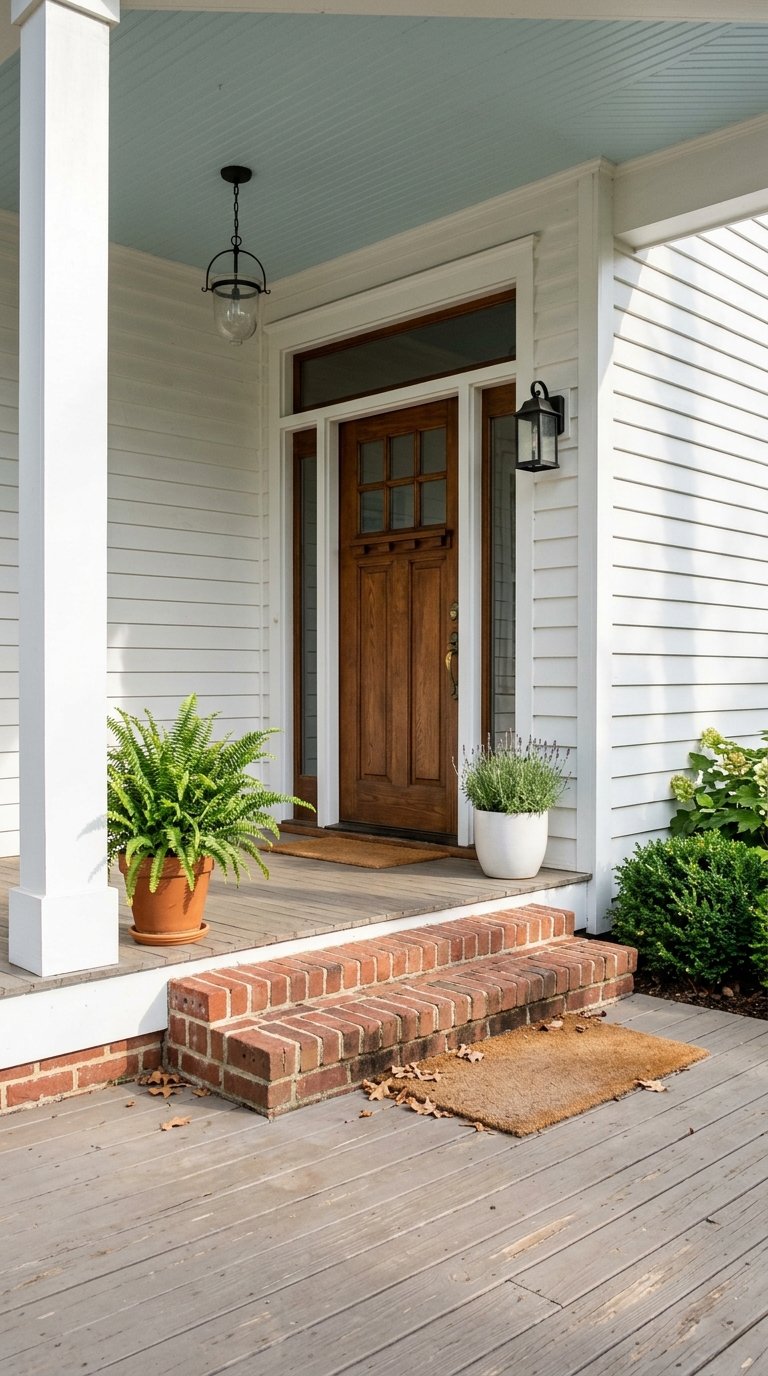
Are you drawn to the charm of an older home, or does a newer build sound easier to live with day to day? If you are house hunting in Carthage, that choice can feel especially important because this market offers both historic character and more modern neighborhood layouts. When you understand how each option fits your budget, maintenance style, and daily routine, it gets much easier to narrow your search. Let’s dive in.
Why Carthage Offers Both Options
Carthage stands out for its strong historic identity. The city is known for multiple National Register-listed historic districts, and that preserved core shapes the feel of many residential areas.
One of the most notable places for historic homes is the large district south of the Courthouse Square. This area developed as prominent residents built homes there over time, and the housing stock includes more than one architectural style, including Late Victorian and Bungalow/Craftsman designs.
That variety matters when you start touring homes. In Carthage, a historic home does not mean one specific look or floor plan. You may see everything from a late 19th-century Victorian to a simpler early bungalow with details that reflect a different era.
What Historic Homes Offer
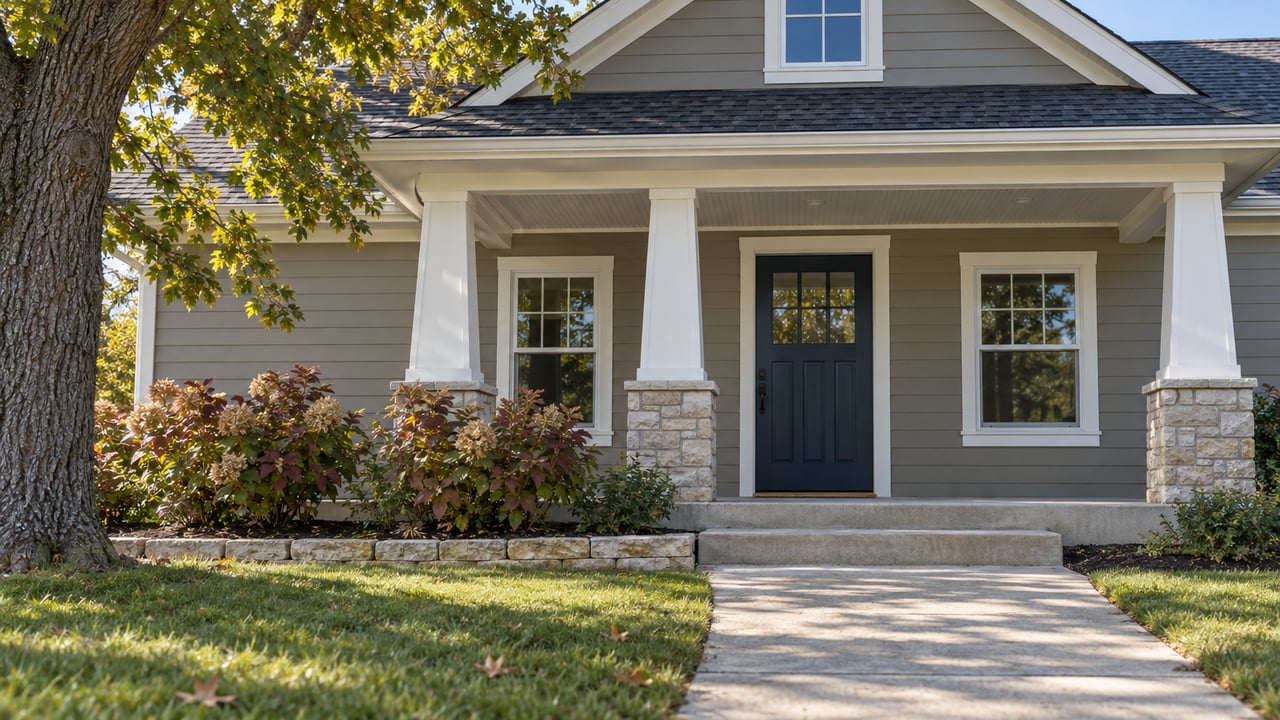
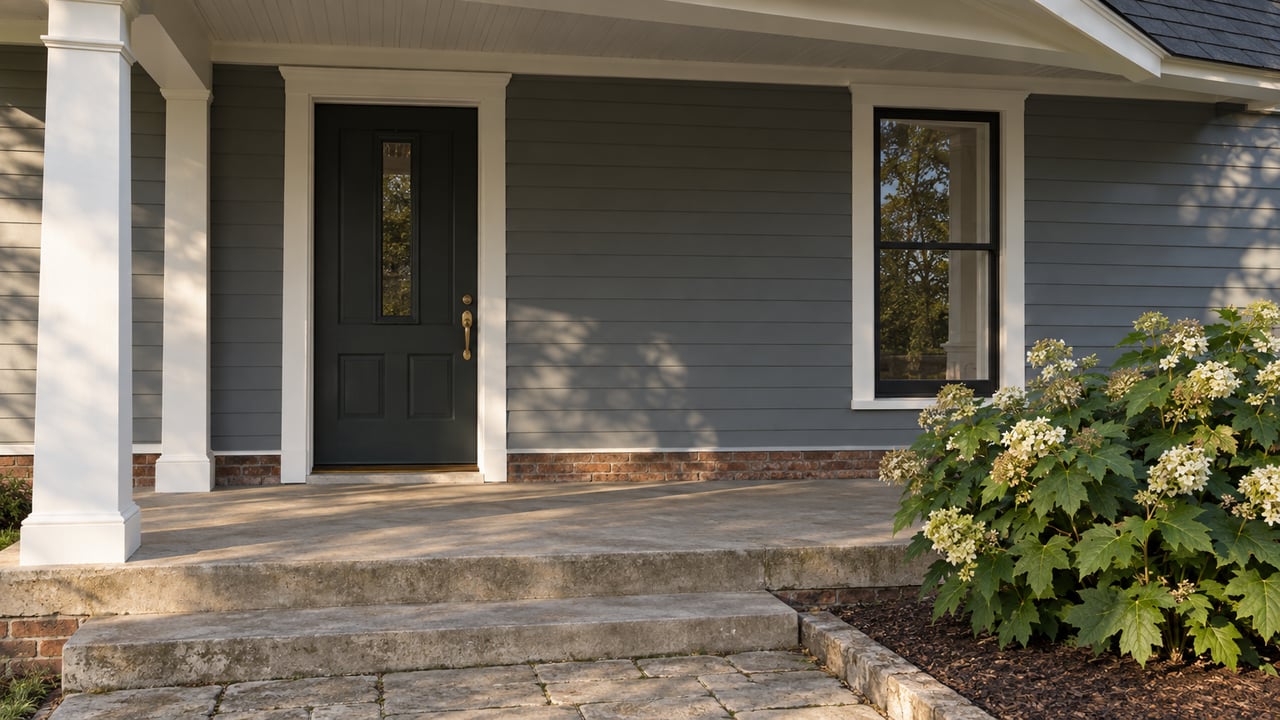
Historic homes often appeal to buyers who want character that is hard to recreate. Features like porches, high ceilings, transom windows, thick walls, shutters, and detailed woodwork can make these homes feel distinctive from the moment you walk in.
In many older homes, comfort was originally built into the design before modern HVAC systems were common. Operable windows, awnings, vents, and shaded porches were part of how the home handled seasonal weather, and those elements still shape the living experience today.
You may also appreciate the sense of place that comes with an older home in an established area. Mature streets, older masonry, original trim, and old-growth lumber can give a property a layered feel that many buyers love.
Historic Homes Need Ongoing Care
The same age and craftsmanship that make an older home appealing can also mean more hands-on upkeep. Historic homes often reward buyers who are comfortable paying attention to maintenance rather than expecting a fully hands-off ownership experience.
Water management is one of the biggest issues to watch. Gutters, downspouts, flashing, chimney caps, and grading all matter because water intrusion can lead to costly damage over time.
In Carthage, preservation-minded ownership is also part of the equation. Carthage Historic Preservation maintains repair and renovation resources covering specialties like carpentry, masonry, plaster, roofing, plumbing, electrical work, flooring restoration, painting, window restoration, and millwork.
Historic Updates May Work Differently
If you plan to change the exterior of a historic home, it is smart to look into local guidelines early. Carthage said in 2025 that it was developing updated Historic Design Guidelines, which is important context if you are thinking about additions, new windows, or visible exterior changes later.
That does not mean historic ownership is impossible or overly restrictive. It simply means you should go in with a clear understanding that preserving original features may be part of the long-term plan.
Energy Improvements Can Be Targeted
Many buyers assume older windows always need to be replaced, but that is not always the best first move. Windows account for 25% to 30% of residential heating and cooling energy use, yet if original windows are still in good condition, targeted improvements may be more cost-effective than full replacement.
Caulking, weatherstripping, and storm windows can improve performance while keeping the original materials in place. In some cases, a well-weatherized historic window with a storm window can perform as well as, or better than, a replacement window.
That can be especially relevant in the Carthage area, where homes need to handle hot, humid summers and cool winters. Nearby climate normals for Joplin show an annual average temperature of 58.1 degrees, with July averaging 79.9 degrees and January averaging 34.9 degrees.
Older Homes and Lead-Safe Work
If a home was built before 1978, you should ask careful questions about renovation history. Older homes are more likely to contain lead-based paint, so repair or remodeling work should follow lead-safe practices.
For buyers looking at Carthage's older housing stock, this is not a reason to avoid a home. It is simply part of doing good due diligence before you buy and before you plan future projects.
What Newer Homes Offer
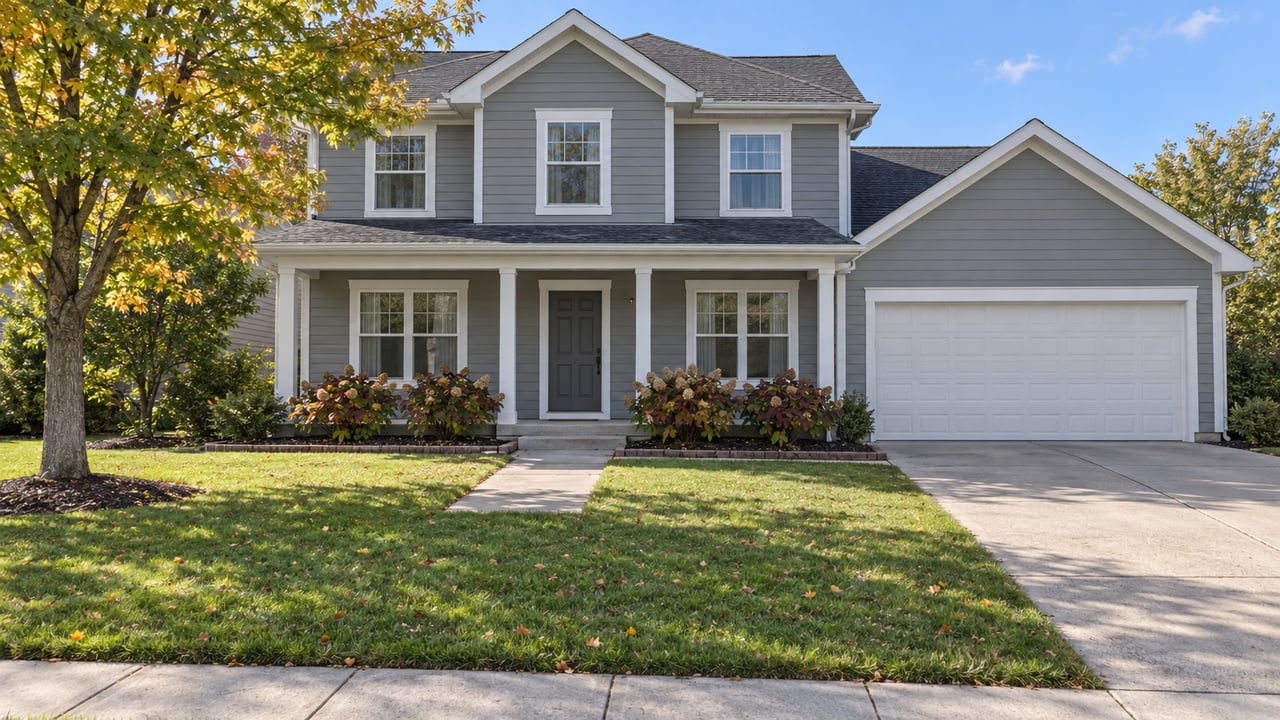
Newer homes in Carthage usually offer a different type of appeal. Instead of historic character and preservation details, they are more likely to reflect modern subdivision planning and a more predictable move-in experience.
Carthage subdivision regulations show how newer development is typically shaped through a formal planning process. Those rules address lot types, street frontage, sidewalks, drainage, utilities, sewer, water, street lighting, and street patterns such as cul-de-sacs and frontage streets.
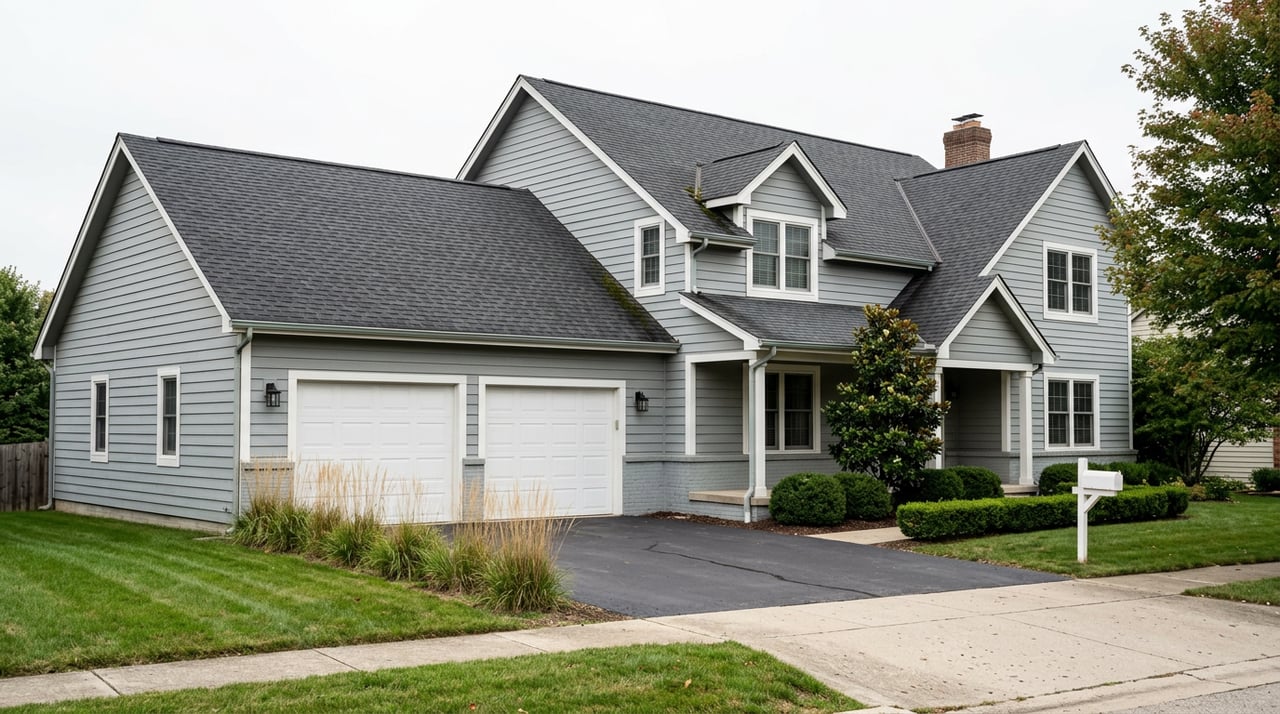
For you as a buyer, that often translates into a neighborhood that feels more intentionally laid out. Driveway access, garage placement, setback depth, and lot shape may feel more standardized than they do in the older parts of town.
Newer Homes Can Feel Simpler to Manage
If you want fewer immediate projects, a newer home may feel easier from day one. Many buyers like the cleaner "move-in and live" experience that can come with more recent construction and updated systems.
Energy performance is another common advantage. ENERGY STAR says certified new homes and apartments exceed minimum energy code requirements by at least 10% and are independently verified for insulation, windows, air sealing, and HVAC systems.
That does not mean every newer home is the same, but it does show why some buyers prefer a home with more current construction standards. If predictable utility performance and fewer retrofit decisions matter to you, a newer home may be a better fit.
Comparing Daily Life in Each
The choice between historic and newer homes is not just about style. It is also about how you want to live once the excitement of closing day wears off.
A historic home may give you more architectural character and a stronger connection to Carthage's past. In return, you may need to think more about maintenance, restoration decisions, and how to improve comfort without losing original features.
A newer home may offer more straightforward upkeep and a lot layout shaped by modern subdivision standards. In return, you may give up some of the one-of-a-kind details and established feel that older homes often provide.
A Simple Way to Decide
If you are not sure which path fits you best, start with your comfort level in three areas:
- Maintenance: Do you enjoy caring for older materials and staying ahead of repairs?
- Energy updates: Are you open to weatherization and targeted improvements, or do you want newer efficiency from the start?
- Lot layout: Do you prefer a mature neighborhood near Carthage's historic core, or a more planned subdivision feel?
These questions usually reveal a lot. Your best choice is less about which type of home is "better" and more about which one matches your time, budget, and long-term goals.
Smart Questions to Ask on Tours
When you tour homes in Carthage, try asking questions that help you compare ownership experience, not just finishes.
For a historic home, ask:
- Which features are original?
- What has already been restored, weatherized, or upgraded?
- Have any windows been repaired or improved with storm windows or weatherstripping?
- If the home predates 1978, is there documentation of lead-safe renovation work?
- Are there any known concerns with gutters, flashing, downspouts, or drainage?
For a newer home, ask:
- What type of lot is it, such as interior, corner, flag, or through lot?
- How does the lot shape affect yard use, driveway access, and privacy?
- What insulation, windows, and HVAC features help with seasonal comfort?
- Are there any neighborhood layout features, such as sidewalks or cul-de-sacs, that affect day-to-day use?
For any home, ask:
- How does the home perform during Carthage's hottest and coldest months?
- What improvements have been made to the roof, attic, windows, and HVAC system?
- What maintenance costs should you expect in the next few years?
The Best Choice Depends on You
In Carthage, this decision is about lifestyle as much as architecture. A historic home may be right for you if you love original details, established surroundings, and the idea of being a thoughtful steward of an older property.
A newer home may be the better fit if you want a more predictable layout, stronger baseline efficiency, and fewer immediate projects after move-in. Both paths can work well in Carthage, and the right choice comes down to how you want your home to feel and function every day.
If you want help sorting through the tradeoffs and finding a home that matches your priorities, reach out to Ginger Kitchen. You will get local guidance, clear communication, and a neighborly approach that makes the process feel a lot less overwhelming.
FAQs
What makes a historic home in Carthage different from a newer home?
- Historic homes in Carthage often offer original architectural details, established settings, and preservation-minded ownership, while newer homes are more likely to offer modern layouts, updated systems, and a more predictable move-in experience.
What should you ask when touring a historic home in Carthage?
- Ask which features are original, what has been restored or weatherized, whether lead-safe renovation practices were used if the home predates 1978, and whether there are any known drainage or water-management concerns.
How do newer home lots in Carthage differ from older neighborhood lots?
- Newer home lots in Carthage are more likely to reflect subdivision planning with defined frontage, setbacks, and lot types such as corner, flag, interior, or through lots.
Are historic homes in Carthage harder to maintain?
- Historic homes can require more attentive upkeep, especially around water management, original materials, and preservation-focused repairs, but many buyers find the character and craftsmanship worth it.
How does Carthage weather affect your choice between an older and newer home?
- Carthage-area homes need to handle hot summers and cool winters, so buyers should pay close attention to insulation, air sealing, windows, attic performance, and HVAC systems in both older and newer homes.