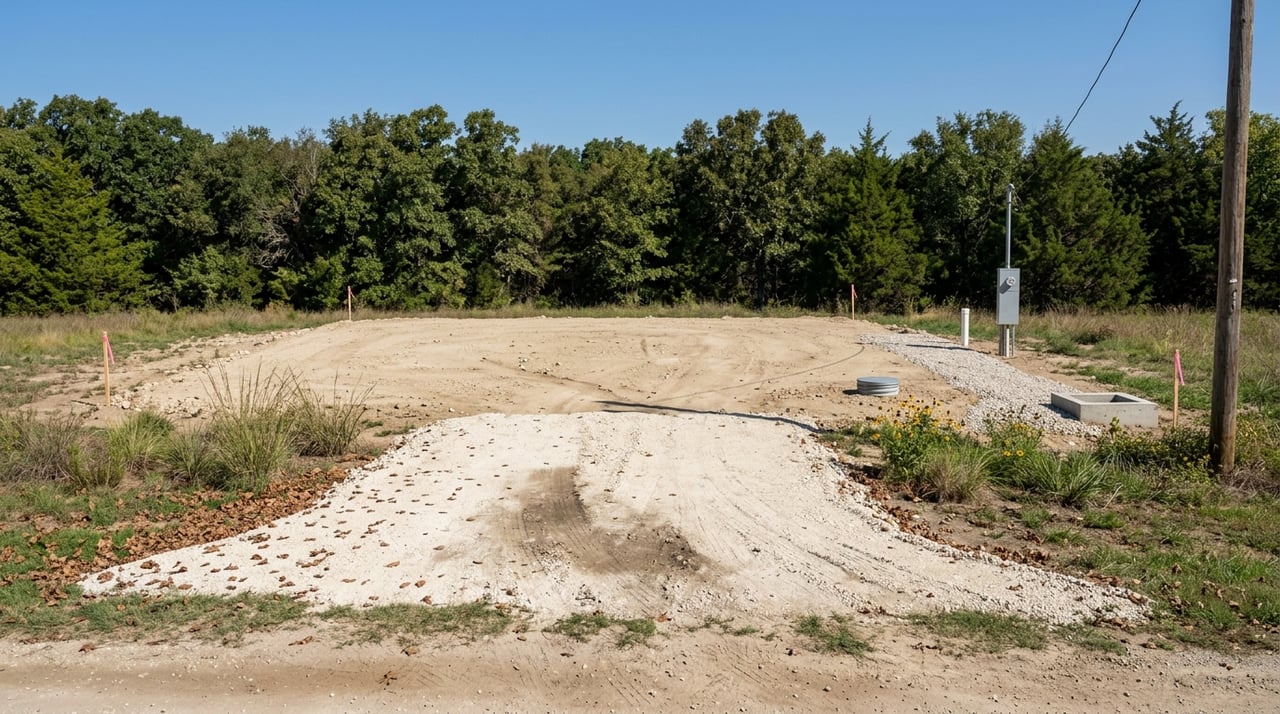
Buying a piece of land near Diamond can feel full of possibility. You might picture a future home, a garden, a shop, or just a little more elbow room. But with vacant land and small acreage, what looks simple at first glance can come with a long list of details to verify before you buy. This guide will walk you through the key checks that matter near Diamond, Missouri, so you can move forward with more confidence. Let’s dive in.
Why land buying is different
Buying land is not the same as buying an existing home. With a house, many basics are already in place, like utility connections, access, and a certificate of occupancy.
With vacant land, you often need to confirm whether the property can actually support the way you plan to use it. Near Diamond, that usually means checking zoning, permits, utilities, septic options, water access, boundaries, and legal access before closing.
Start with zoning and city limits
One of the first questions to answer is whether the parcel is inside Diamond city limits or outside them. That single detail can shape which rules, permits, and utility questions matter most.
According to the City of Diamond’s planning and zoning information, the area includes residential, commercial, and agricultural zoning categories, and the Planning & Zoning Commission reviews zoning amendments, site plans, and plat applications. In plain terms, two parcels that look similar from the road may not have the same allowed uses.
If you are considering a homesite, hobby farm, or mixed-use setup, a zoning check should happen early. It can help you avoid falling in love with a tract that may not fit your plans.
Know the permit process
If your parcel is in Diamond, future improvements may require city review. The city has an official building permits and inspections process that includes construction permits, occupancy certificates, and excavating permits.
That matters because raw land usually needs more up-front review than an existing home. If you plan to build a house, add a driveway, or start site work, it is smart to understand the approval steps before you close.
Check utilities before you buy
One of the biggest mistakes land buyers make is assuming nearby utilities mean easy service. A utility line on the road does not always mean your parcel is ready to connect quickly or affordably.
The City of Diamond’s water utilities page shows municipal water service information and also notes required garbage collection inside city limits. The city also points residents to gas and electric utility providers, including Liberty Utilities for electric service and Spire Energy for natural gas.
For you as a buyer, the real question is whether the specific parcel already has usable service, needs a meter, or may require line extension work. On small acreage, those extra costs can change your budget fast.
Utility questions to ask
Before you move forward, it helps to confirm:
- Whether water service is available at the parcel
- Whether electric service is already on site or nearby
- Whether natural gas is available or not
- Whether garbage service requirements apply inside city limits
- Whether any hookup, meter, or extension costs may apply
These details are worth verifying directly with the provider before closing.
Septic can be a deal breaker
If the land does not have access to public sewer, septic feasibility becomes a major part of your due diligence. This is especially important for small-acreage tracts where your usable building area may be more limited than you expect.
The Newton County Health Department reviews and permits on-site wastewater systems under 3,000 gallons per day and provides permit materials, installer lists, and setback guidance. That means soils, site conditions, and spacing requirements can all affect whether a property can support the home you want to build.
A parcel can look perfect online and still run into problems once septic rules, setbacks, or site conditions are reviewed. That is why septic should be treated as a first-step issue, not a last-minute detail.
Wells need more than a quick assumption
For rural parcels, water is another big item to confirm. If public water is not available, you may need a private well.
The Missouri Department of Health and Senior Services explains that private well construction is regulated, but the water from private wells is not monitored or regulated after installation. Newton County Health also offers bacteriological testing and broader testing panels for items such as nitrates, lead, iron, manganese, and other water-quality indicators.
That makes well testing a smart step when you are evaluating rural land with an existing well or planning future well use. It is better to learn about water quality and well-related issues before closing than after you own the property.
Survey and boundaries matter more than you think
On vacant land, boundaries are not always as obvious as they seem. Fence lines, tree rows, and seller-marked corners may not match the legal description.
Missouri’s Land Survey Program notes that survey documents are used by surveyors, title insurers, recorders, attorneys, real estate professionals, and landowners to determine property boundaries. That is a big reason why a current survey can be so valuable when you are buying acreage.
A survey can help you confirm where the property starts and stops, whether improvements cross lines, and whether your planned build area actually sits where you think it does. For many buyers, this is one of the most important documents in the file.
Review access and easements carefully
Access is another issue that deserves a close look. You want to know not only that you can reach the property, but also that your access is legally documented and workable for your plans.
According to MU Extension guidance on fences and boundaries, easements can exist for utilities or roadways, and public roads or rights-of-way can affect how land is used. For a buyer, that can influence where you place a driveway, barn, shop, fencing, or even a future homesite.
If you are hoping for livestock, outbuildings, or a clean building envelope, access and easement review should be part of your early checklist. It is much easier to solve questions on paper before closing than on the ground after the fact.
Use site tools for a first-pass check
Before you get too far along, it can help to screen the land for physical site issues. Drainage, floodplain concerns, wetlands, and soil conditions can all affect cost and buildability.
The University of Missouri’s AgSite Assessment Tool is designed to help evaluate land before purchase. It includes information related to soils, streams, wetlands, ponds, watersheds, floodplains, karst geology, legal description, and threatened and endangered species.
This kind of first-pass review can be helpful if you are comparing several tracts near Diamond. Acreage count matters, but site conditions often matter just as much.
A practical land-buying checklist
If you are buying land or small acreage near Diamond, here is a simple due diligence checklist to keep in mind:
- Confirm whether the parcel is inside or outside Diamond city limits
- Check zoning and allowed uses with the city when applicable
- Review the permit process for future building or site work
- Verify water, electric, gas, and garbage service details when applicable
- Confirm whether public sewer is available or septic will be needed
- Review septic feasibility and setbacks with Newton County Health
- Ask about private well needs and consider water testing when relevant
- Get a current survey and review boundary details carefully
- Confirm legal access, easements, and rights-of-way
- Use a land screening tool to look at soils, drainage, and floodplain concerns
How local guidance helps
Land purchases usually involve more moving parts than a standard home sale. There are more documents to review, more agencies to contact, and more questions that can affect cost and timing.
That is where local guidance can make a real difference. When you work with someone who understands Diamond, Newton County, and the acreage market, you can better spot the questions to ask before a parcel becomes a problem.
If you are thinking about buying land or small acreage near Diamond, Ginger Kitchen can help you sort through the details, understand the local process, and take the next step with confidence.
FAQs
What should you check first when buying land near Diamond, Missouri?
- Start by confirming whether the parcel is inside Diamond city limits or outside them, then check zoning, utility availability, access, and whether the property appears buildable for your intended use.
Why is septic approval important for small acreage near Diamond?
- If public sewer is not available, the property may need an on-site wastewater system, and septic feasibility can depend on soils, setbacks, and site conditions reviewed through Newton County Health.
Do you need a survey when buying vacant land near Diamond?
- A current survey is strongly recommended because visible markers like fences or tree lines may not match the legal boundary, and survey documents help confirm the actual property lines.
How do utilities work when buying acreage near Diamond, Missouri?
- Utility availability depends on the specific parcel, and you should verify whether water, electric, and gas service already exist, require new hookups, or may need extension work.
What if a land parcel near Diamond has a private well?
- A private well may still need water-quality testing because Missouri regulates well construction, but ongoing water quality is not automatically monitored after installation.
Can you build a house on any small acreage parcel near Diamond?
- Not always, because buildability can depend on zoning, permits, setbacks, septic feasibility, easements, survey details, and utility access.